


Views: 0 Author: Site Editor Publish Time: 2026-05-07 Origin: Site


For pavement maintenance contractors and municipal crews, un-routed crack sealing is often a temporary band-aid. Water infiltration and freeze-thaw cycles inevitably destroy these superficial fixes. Pouring sealant over irregular, tight, or debris-filled cracks leads to poor adhesion. It causes premature sealant failure and results in costly callback work. You lose money every time crews return to redo failed patches.
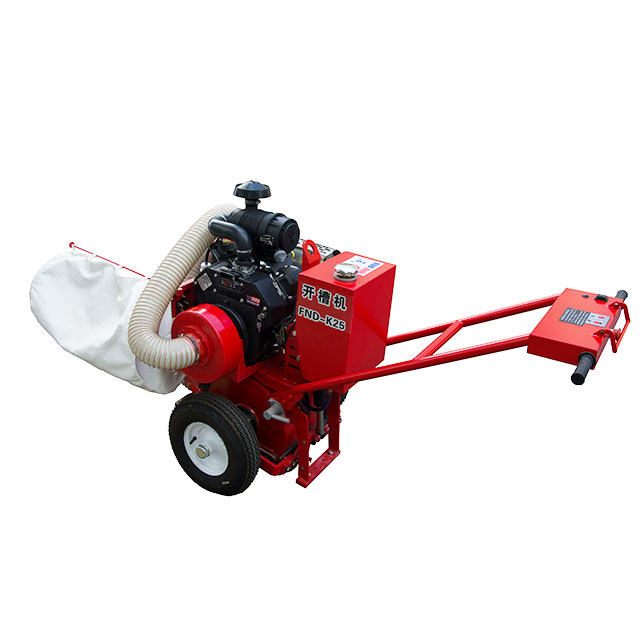
A Crack Grooving Machine (often referred to as a crack router or slotting machine) mechanically alters the crack profile. This critical pre-treatment step creates a uniform reservoir for sealant. It fundamentally changes the longevity of the repair. We wrote this article to outline the structural, financial, and operational benefits of integrating crack grooving into your pavement maintenance workflow. You will also find an evaluation framework for equipment procurement.
Optimized Adhesion: Grooving irregular cracks creates uniform sidewalls, maximizing the contact area for hot-pour sealants and preventing premature debonding.
Lifecycle Cost Reduction: Properly routed and sealed pavement can extend road lifespan significantly, delaying multimillion-dollar resurfacing projects.
Collaborative Efficiency: Modern grooving machines function as the critical first step in a "groove, clean, seal" workflow, accelerating project completion times.
Risk Mitigation: Advanced equipment features dust suppression and precise depth control to meet OSHA compliance and avoid structural damage.
Pavement degradation happens rapidly when you ignore fundamental physics. A dedicated grooving machine mechanically corrects irregular defects. Operators use diamond or carbide blades to cut random, jagged cracks into uniform channels. These channels typically range from 1 to 50mm in width. The equipment shapes the pavement into precise U-shaped or V-shaped profiles. This mechanical alteration prepares the surface perfectly for the next step.
Understanding the physics of pavement failure reveals why this step matters. The primary mechanism of road destruction is water infiltration. When water enters unsealed cracks, it permeates the sub-base beneath the asphalt or concrete. Winter brings destructive freeze-thaw cycles. Water expands as it freezes. It degrades the structural integrity of the sub-base, pushing the pavement upward. Eventually, this constant movement causes giant potholes and massive structural collapse. Unsealed pavement simply cannot survive these forces.
Grooving establishes a strict geometric reservoir. You cannot achieve this geometry manually. The machine-cut reservoir allows the hot-pour sealant to pool effectively. As temperatures fluctuate throughout the year, the sealant must expand and contract. A proper reservoir gives the sealant material enough volume to stretch. It moves naturally without tearing away from the rigid asphalt or concrete sidewalls. Surface filling simply smears material over the top. Grooving embeds the solution deep inside the pavement. This embedded approach prevents heavy tires from plucking the sealant out during summer heat waves.
Paving contractors face constant pressure to deliver durable results. Profit margins vanish when crews must return to fix failing sealant. Surface-banded sealant typically fails within one or two years. It peels away under heavy traffic or brutal weather. In contrast, routed and sealed cracks can easily last five to seven years. Less rework directly equals higher profit margins for your business. You free up your teams to tackle new, profitable jobs instead of performing warranty repairs.
You also benefit from significantly lower material waste. When you pour sealant over random, un-routed cracks, guessing the required volume becomes impossible. Over-pouring wastes expensive mastic. A uniform groove allows your estimators to calculate asphalt sealant volumes precisely. Crews apply exactly what they need. They avoid sloppy over-pouring and keep material costs entirely predictable.
Owning the right equipment gives you a strong competitive bidding edge. Many municipal authorities and state Department of Transportation (DOT) agencies update their maintenance contracts regularly. They now explicitly mandate routing or grooving prior to sealing. If you lack the hardware, you forfeit the bid. Owning advanced grooving technology qualifies contractors for higher-tier public jobs. It signals professionalism and guarantees compliance with stringent DOT standards.
Comparing Pavement Repair Methods | ||
Performance Metric | Surface Filling (No Grooving) | Rout and Seal Method |
|---|---|---|
Repair Lifespan | 1 to 2 years | 5 to 7+ years |
Material Waste | High (Unpredictable volume) | Low (Calculable uniform channels) |
DOT Bid Eligibility | Rarely qualifies | Meets standard mandates |
Callback Rate | Frequent | Minimal |
Successful pavement maintenance requires a systemic approach. You should frame grooving not as an isolated task, but as part of a highly integrated system. Industry professionals rely on a collaborative process to maximize longevity. This workflow treats the distressed pavement systematically. Skipping any phase compromises the final repair.
Follow this three-step collaborative process for optimal results:
Step 1: Grooving. The machine standardizes the irregular crack. It creates clean, uniform sidewalls ready for optimal material adhesion.
Step 2: Cleaning. Crews use high-pressure air lances or industrial vacuums. They remove all silica dust, moisture, and debris from the newly cut channel. Dust acts as a barrier to adhesion.
Step 3: Sealing. Operators inject hot-pour mastic directly into the reservoir. They must maintain strict material temperatures between 180℃ and 200℃. This heat allows the sealant to penetrate the asphalt pores deeply.
Operational efficiency increases drastically when you implement this workflow. Modern walk-behind or self-propelled grooving machines offer remarkably consistent cutting speeds. They eliminate the severe downtime associated with manual preparation. Relying solely on heat lances without mechanical cutting wastes fuel and labor hours. Mechanical grooving standardizes the pace. The cleaning and sealing crews simply follow the groover. Everyone moves down the road efficiently.
Not all equipment performs equally under harsh job site conditions. Buying the wrong machinery frustrates operators and jeopardizes your project timelines. You must evaluate specific physical and engineering parameters before purchasing. Consider your primary working environment carefully.
Analyze these critical factors when reviewing machine specifications:
Engine Power and Cutting Depth: Address the physical reality of your job sites. Concrete demands more power than soft asphalt. Look for machines equipped with micro-adjustment handwheels. These dials provide precise depth control. Cutting too deep compromises structural integrity. Cutting too shallow results in immediate sealant failure.
Blade Configuration: Evaluate machine flexibility. Does it support varying blade thicknesses? Some projects require straight-line speed. Others involve meandering "spider web" cracks. You need a machine agile enough to follow irregular paths without jamming the blade against the sidewalls.
Dust Control and Operator Safety: Do not overlook environmental regulations. Cutting pavement releases toxic silica dust. Highlight the necessity of advanced dust suppression systems. Integrated water tanks or heavy-duty vacuums protect operators from respiratory illness. These systems keep your site fully OSHA compliant and safeguard community air quality.
Even premium equipment fails when handled poorly. You must train your crews to recognize common execution traps. Operator inexperience poses a significant risk to project success. Workers often try to force the blade through tough aggregate. Advancing too quickly burns out the engine. Failing to follow the crack's natural path leads to severe blade binding. This reckless operation damages the machine and causes micro-fracturing in the surrounding pavement. Spalled edges ruin the repair immediately.
Equipment maintenance blind spots also destroy profitability. Diamond blades require strict monitoring for dynamic balance. You cannot ignore worn cutting tools. Unbalanced blades cause severe machine vibration. This shaking accelerates engine wear and destroys wheel bearings prematurely. Crews should inspect blades daily. A quick morning inspection prevents a catastrophic afternoon breakdown.
Finally, respect the temperature variable. We must remind buyers constantly. Grooving is only half the battle. If operators apply the subsequent sealant outside the strict optimal temperature window (180-200℃), adhesion fails completely. Furthermore, if the newly grooved channel remains damp from overnight rain or the machine's own water suppression system, the hot sealant will bubble. You must dry the groove thoroughly before pouring.
Avoid these common operational mistakes:
Skipping the daily blade balance inspection.
Pouring sealant into wet or dusty channels.
Ignoring OSHA respiratory requirements despite integrated dust suppression.
Pushing the machine faster than the blade can cut.
A smart equipment purchase requires vetting the company behind the metal. Relying solely on the initial price tag invites disaster. The cheapest machine quickly becomes a major liability when proprietary blades break mid-project. You should prioritize a credible Crack Grooving Machine manufacturer with transparent parts availability. Robust warranty terms protect your operational longevity. Good manufacturers guarantee rapid shipping for critical wear parts.
Documentation and training represent non-negotiable requirements. A legitimate manufacturer provides exact Standard Operating Procedures (SOPs). They supply detailed manuals for blade replacement, daily engine maintenance, and field troubleshooting. Without this documentation, your mechanics waste hours guessing how to fix minor issues. Comprehensive training materials empower your operators to work safely.
You must also verify their engineering claims vigorously. Avoid manufacturers who promise "zero dust" without specifying their engineering controls. Check for Tier 4 emissions standards and certified suppression mechanisms. Always request raw demonstration videos. Watch the machine handle actual distressed asphalt in the real world. Pristine test tracks hide mechanical weaknesses easily. You need proof of performance in harsh environments.
Manufacturer Claim Verification Chart | |
Marketing Claim | What You Should Demand |
|---|---|
"Dust-Free Operation" | Specific details on water tank capacity or vacuum CFM ratings. |
"Cuts Any Pavement" | Exact blade matrix availability for concrete versus soft asphalt. |
"Maintenance Free" | Clear, transparent SOPs for bearing greasing and belt tensioning. |
Investing in reliable grooving equipment transitions a paving business completely. You shift from providing reactive, temporary patchwork to delivering preventative infrastructure asset management. This mindset change elevates your company above local competitors. You build a reputation for permanence.
The upfront capital expenditure pays off rapidly. You offset equipment costs through drastically reduced material waste and the total elimination of warranty callbacks. Furthermore, owning proper routing equipment unlocks the ability to win lucrative, stringent government contracts. DOT regulations strongly favor equipped professionals.
We advise you to take immediate action. Audit your current crack sealing failure rates over the last 24 months. Determine how much money rework costs your business annually. Next, consult a reputable equipment provider. Match your new machine specifications directly to your primary job site conditions. Choose the right engine and blades for asphalt or concrete, municipal routes, or commercial lots.
A: Generally, working cracks between 1/8 inch and 1.5 inches (approx. 3mm to 40mm) benefit most from grooving. Hairline cracks are typically too small to route effectively, while cracks wider than 2 inches often require full depth repair or mastic patching.
A: Yes. Cutting asphalt or concrete generates harmful silica dust. While modern machines feature dust suppression systems, operators should still wear NIOSH-approved respirators alongside standard PPE to meet safety regulations.
A: Yes, but it requires the correct blade selection. Asphalt is softer and requires specific blade bonds to prevent gumming, while cured concrete demands harder diamond matrices for efficient cutting.


