


Views: 0 Author: Site Editor Publish Time: 2026-10-06 Origin: Site


Properly preparing your sealing equipment each morning is not just a basic maintenance chore. It serves as a critical operational phase. This morning routine ultimately determines your shift's profitability. A thorough preparation prevents catastrophic hardware failures. It also keeps your operating crew safe on active roadways. Inefficient morning startup routines quickly burn through valuable crew hours. Older machines require intense manual labor and constant supervision. Modern units feature automated heating cycles. These smart features drastically change how crews start their workdays.
We will establish a strict, standardized daily operating procedure (SOP). You will learn how to safely transition your equipment from cold storage to active pavement sealing. We will cover essential fluid checks, staged heating protocols, and precise agitator sequencing. Following these organized steps ensures you avoid damaging pumps. It protects your heated hoses. It also prevents your valuable sealant material from degrading before hitting the pavement.
Pre-start inspections of heat transfer oil, engine fluids, and hydraulic systems prevent mid-shift breakdowns.
Staged heating protocols for hot pour crack filler are mandatory to prevent material degradation or hazardous flashing.
Proper agitator sequencing protects hydraulic motors from premature failure caused by attempting to mix solid blocks.
Hose and wand clearing procedures eliminate cold plugs, ensuring immediate, consistent material application.
Prep-time efficiency is a primary evaluation metric when purchasing new pavement maintenance equipment.
You must evaluate your hardware proactively. This step mitigates operational risks before anyone ignites the burner. Crews often rush this phase. Skipping visual checks leads to disastrous mid-shift breakdowns.
First, inspect the heat transfer oil. You must check the expansion tank dipstick while the machine remains cold. Thermal fluid requires adequate volume to circulate properly. Running low on this fluid poses severe risks. It creates uneven heating zones inside the jacket. Extreme low levels can permanently warp the metal tank. Overfilling presents equal danger. Thermal fluid expands as it heats. Overfilled tanks will overflow hot oil onto the trailer deck.
Next, perform standard combustion engine checks. Verify the engine oil and radiator coolant levels. You must also check the hydraulic fluid reservoir. Hydraulic power drives both the material pump and the internal agitator. Low hydraulic fluid causes sluggish pump performance.
Finally, conduct a visual hardware audit. Look for hardened material leaks under the equipment. Leaks often indicate a failing valve packing from the previous shift. Inspect the undercarriage for debris. Verify all application valves sit in the correct closed position. An open valve will spill molten material immediately upon heating.

System Component | Inspection Requirement | Potential Consequence if Ignored |
|---|---|---|
Heat Transfer Oil | Check dipstick (cold state) | Tank warping, uneven material heating |
Engine Fluids | Verify oil and coolant levels | Engine seizure, overheating |
Hydraulic System | Check reservoir sight glass | Sluggish pump, agitator stalling |
Valves and Fittings | Confirm all valves are fully closed | Accidental hot material discharge |
Precise thermal management is absolutely vital. You must bring the machine to operating temperature carefully. Poor heating protocols will easily ruin your hot pour crack filler. Quality sealants rely on specific polymer blends.
Begin the burner ignition sequence according to manufacturer specifications. Modern equipment includes automated burner lockouts. These safety mechanisms prevent ignition if they detect electrical faults. They also block ignition if the exhaust flues are obstructed. Always let the automated system complete its purge cycle. This clears unburned gases from the combustion chamber.
Understanding target versus ambient temperatures separates novice operators from experts. You must set the thermal fluid temperature correctly. This usually hovers around 500°F. The thermal fluid transfers heat gently to the material vat. This indirect heating helps the sealant achieve its manufacturer-specified temperature. Most rubberized materials apply best between 380°F and 400°F.
You must actively avoid material degradation. Never overheat leftover sealant from a previous shift. Overheating cooks the vital polymers out of the rubberized asphalt. Cooked material becomes brittle upon curing. It also turns sludgy inside the tank. Degraded sealant clogs your plumbing lines. It forces crews to halt production for extensive pump cleaning.
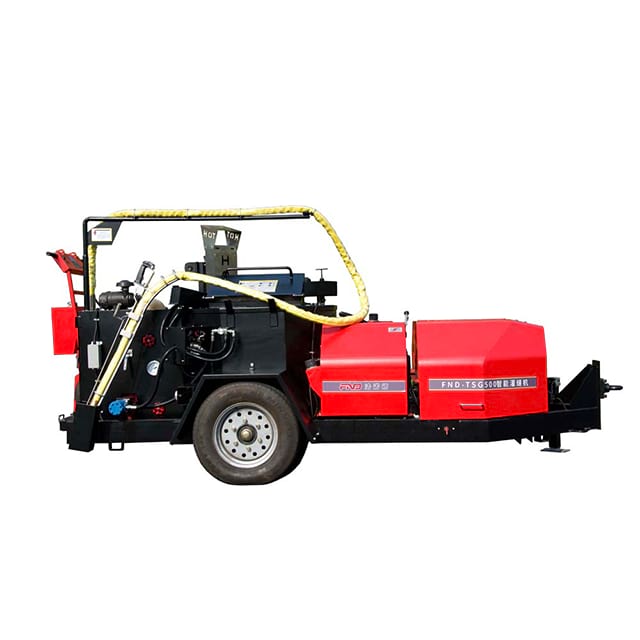
Introducing new material into a partially heated tank requires caution. You face strict mechanical realities during this stage. Improper loading endangers operators. It also damages your Asphalt Crack Filling Machine.
Follow a strategic block loading method. Adding new solid blocks of sealant to molten liquid creates a serious splash risk. Operators should slide blocks gently down the tank wall. Never drop them directly into the center pool. We recommend specific loading intervals. Adding too much cold material at once drastically drops the tank's overall temperature. This stalls your morning production.
Agitator activation timing follows one strict rule. Never engage the agitator before the material becomes fully molten. Solid blocks wedge against the agitator paddles. Engaging the hydraulics too early creates massive stress. This mistake commonly breaks the protective shear-pin. Replacing a broken shear-pin wastes at least thirty minutes of prime working time.
Implement a continuous feeding strategy. Do not overload the tank during the initial morning prep.
Melt your initial batch to optimal application temperature.
Begin applying sealant to the first pavement sections.
Add one or two new blocks every time the material level drops by ten percent.
Maintain a consistent ratio of molten liquid to solid blocks.
The applicator wand and hose system represents the most common failure point on any job site. Preparing these components correctly ensures immediate material application. A clogged hose cripples your road crack filling machine.
Heated hose activation changes based on your equipment type. Electric heated hoses offer massive time savings. You can turn them on during the main tank heating cycle. They reach operating temperature simultaneously with the material. Ambient hoses lack internal heating elements. They require manual recirculation. You must pump hot material through them and back into the tank until the hose exterior feels warm.
Clearing the wand tip demands physical attention. Cold plugs form at the very end of the wand during overnight shut-downs. Scrape hardened material away using a specialized tool. Some crews use a small propane torch to gently heat the metal tip. Apply heat sparingly. Excessive flame damages the wand's internal seals.
Always perform a test purge before walking to the first crack. Direct the wand nozzle safely back into the material tank. You can also use a designated heavy-duty waste bucket. Engage the pump trigger. Watch for smooth pump operation. Ensure steady material flow. Sputtering indicates air in the lines or cold pockets in the hose.
We must address the human element of daily preparation. Adhering strictly to OSHA and industry safety standards protects your team. Moving molten rubber involves inherent dangers. You cannot ignore personal protective equipment.
Mandatory PPE remains non-negotiable for anyone operating pavement crack sealing equipment. Operators must wear heat-resistant gauntlet gloves. Full ANSI-rated face shields prevent splash injuries to the eyes and skin. Long sleeves and heavy-duty leather boots protect against accidental drips. Synthetic clothing melts upon contact. Crews must wear natural fibers like cotton.
Perform an emergency systems check every morning. Test the emergency shut-off switches on the control panel. Verify the trailer breakaway braking system functions correctly. Pluck the breakaway cable to ensure the brakes engage. Inspect the onboard fire extinguisher. Check its pressure gauge to ensure full readiness.
Tie your machine preparation directly to your environmental preparation. While the machine reaches optimal temperature, crews should secure the work zone. Deploy traffic control signs. Set up safety cones. This parallel workflow maximizes morning efficiency.
Smart engineering directly impacts operational efficiency. Buyers evaluate these features closely. Reducing daily prep time yields higher daily production. Older manual systems hold crews back. Advanced technology pushes them forward.
Consider the massive difference between heated and non-heated hoses. Electric heated hoses eliminate physical flushing. They completely remove the need to break down cold hoses. A heated hose saves crews up to thirty minutes every single morning. You simply flip a switch and wait.
Automated temperature controls offer another major upgrade. Manual dial-watching wastes operator focus. It requires constant adjustments to prevent overheating. Digital thermostatic controllers automatically pulse the diesel burner. They maintain exact fluid and material temperatures. This automation frees the crew. They can perform other critical site prep tasks instead of babysitting a thermometer.
A machine saving 45 minutes every morning transforms a business. Crews start applying sealant earlier in their shifts. They naturally seal more lane miles every day. Over a full season, this extra production yield greatly improves overall project margins. Faster heating cycles directly boost your operational output. Smart design translates into measurable field success.
Meticulous daily preparation builds the foundation of high-quality pavement maintenance. It guarantees crew safety and extends hardware lifespan. Skipping fluid checks or rushing heating protocols only invites expensive downtime. Following a strict SOP keeps your team focused and your equipment healthy.
We encourage decision-makers to audit their current morning routines. Track exactly how long your team takes to go from cold storage to the first applied crack. Identify where bottlenecks occur.
Your next step requires action. Compare modern equipment specifications against your aging fleet. Download a daily maintenance checklist to enforce crew standards. Consider requesting a live demonstration for fast-heating asphalt crack sealing machine models. Upgrading your technology solves many morning preparation headaches instantly.
A: Heating times vary significantly based on ambient temperature, tank size, and leftover material volume. A standard start-up typically ranges from 45 to 90 minutes. Models featuring advanced thermal transfer designs and automated burners fall on the faster end of this spectrum.
A: You can allow half-empty tanks to cool overnight. Crews easily reheat this material the next day. However, repeated reheating degrades the essential polymers within the rubberized asphalt. We highly recommend ending your shifts with minimal material remaining in the tank.
A: Morning hose clogs usually stem from simple operator errors. You might be failing to wait for the hose to fully reach operating temperature before engaging the pump. Alternatively, the crew likely failed to properly blow out or drain the hose at the end of the previous shift.


