


Views: 0 Author: Site Editor Publish Time: 2026-11-13 Origin: Site


Two loads of asphalt millings can look similar from the loader cab and take different amounts of time to process. A batch that contains more water needs more heat to remove that water before the mix is ready for its next check. On a pothole repair shift, that difference can leave the placement crew waiting even when the recycler has enough nominal batch capacity. Managing wet asphalt millings starts with identifying which material is fit to load, then tracking how batches behave under approved conditions. The resulting records help the crew plan supply and ask more useful equipment questions.
Asphalt millings are particles recovered when an existing asphalt surface is milled. They may include a range of sizes and can pick up moisture during handling or storage. One stockpile can contain material with different moisture levels from top to bottom, or across sections exposed to different conditions. A dry-looking outer face tells the operator little about material taken from a wetter section after rain.
A hot recycling asphalt mixer transfers heat into the feedstock and uses a rotating drum to mix it. When the load contains more water, energy goes into raising the water's temperature and evaporating it, as well as heating the asphalt and aggregate. With the same equipment and operating conditions, that added heat demand can increase the time needed to reach the next approved process check. Starting temperature, particle size, batch mass, and the condition of the machine can change the timing too.
Clumps can introduce a second source of variation. Their size and composition can affect handling, and moisture can be unevenly distributed through the load. A batch that feeds irregularly gives the crew less control over what entered the drum and makes results harder to compare. Identify the source of the clumps and verify that the material falls within the equipment's acceptable feed condition before assigning the batch.
Use the required process and acceptance checks for the mix. Steam, a single temperature display, or a familiar elapsed time can provide observations, but release decisions need the applicable equipment and project criteria. A sample from one point may not describe the whole batch if the material is variable. Ask where and how the operating procedure expects the crew to check the material, and record that basis along with the result.
Give each stockpile or delivery a simple identity. Record its source if known, when it was received, and which part of the pile the loader will draw from. After weather changes, note obvious standing water, visibly saturated material, or a wetter zone beneath the surface. Separate material that needs review from material already accepted for the job. Combining them before checking the conditions makes the next batch harder to diagnose.
Inspect for contamination and large material outside the approved feed range. Asphalt millings may be handled close to granular base, soil, or other debris. A change in fines or contaminants can affect the mix even when the moisture is similar. The project or machine procedure may require screening, size limits, or material testing before use. Record such checks as their own fields so a rejected batch does not get labeled as a moisture issue by default.
If a moisture result is required, use the specified method and sample the material that is actually planned for the batch. An observation after rain can help flag which material to sample. It does not establish a moisture percentage. Where the lot is visibly inconsistent, follow the applicable sampling plan or ask the responsible person whether it should be treated as separate lots.
| Observation before loading | Useful next decision |
|---|---|
| One part of the pile is visibly wetter after rain | Identify it separately and check the approved feed criteria |
| Clumps or oversized pieces are present | Confirm preparation or screening requirements for the unit |
| Soil or base material appears mixed into the millings | Review contamination and feedstock acceptance before use |
| Material is colder than earlier accepted batches | Record the starting condition when comparing cycle times |
| The feedstock source is unknown | Verify that it is acceptable for the planned patch mixture |
The crew should have a place to stage material that needs a decision. That may be a clearly identified portion of the yard or a separate lot at the staging point. Agree on who can accept the feedstock and how the decision is recorded before the shift. This matters when the loader operator changes midshift or a new delivery arrives after the original material has been used.
Record the time when heating begins, when the required checks are complete, and when accepted mix becomes available for transfer or placement. That distinction helps reveal which part of the cycle changed. If the heater ran longer, the reason may involve material condition or equipment performance. If the heater time was similar but release took longer, sampling, handling, or another check may have become the bottleneck.
For a simple planning example, assume a crew has two accepted feedstock lots with the same planned batch mass. The first lot is relatively dry and ready to use. The second lot was exposed to rain and meets the applicable acceptance conditions after review. Rather than assume that both will be available at the same time, schedule the second lot with a wider planning window and confirm the actual output before releasing another placement crew to a repair point. Document how the timing changes under the real conditions. The useful result is a planning allowance supported by observations from that operation.
When comparing batches, record starting material condition, approximate mass, and whether the machine started cold or was already in regular operation. If a cold first batch also happens to contain the wettest material, its total cycle time cannot isolate the effect of moisture. Compare runs that share as many of the other conditions as practical. A simple side-by-side log is often enough to show why a single quoted cycle time is a poor dispatch assumption.
Measure useful output over the whole shift as well as time per batch. A slightly slower heating cycle may have little effect if loading, transfer, or patch preparation already takes longer. Repeated delays matter more when the next crew is waiting for material and no accepted mix remains in reserve. Include the elapsed time from planned loading to usable discharge alongside the batch mass, then compare that output with the rate at which the placement crew can use it.
A compact batch log can make the comparison clearer. One column should describe the feedstock condition or show the approved test result. A second should identify the machine starting condition. A third should show elapsed time to accepted output. Keep a short reason field for delays such as a late loader or an additional check. That prevents every slow batch on a rainy day from being treated as a moisture problem.
Keep production and consumption separate in the route plan. Track how much accepted mix is available and how quickly the placement crew is using it. If production falls behind, reassess the next repair sequence under the agency's approved work plan. A useful contingency can be another accepted feedstock lot, a prepared mix source, or a sequence that lets the crew work with the material already available. Base that choice on the repair specification and local supply arrangement.
A useful comparison starts with actual feedstock. Describe the sources the crew expects to use, the usual storage arrangement, the variation after weather changes, and the batch quantities needed by the patch operation. Ask which materials and conditions the equipment accepts, which require preparation or review, and what procedure applies when the planned feed condition falls outside that range.
For mobile asphalt mixing equipment, request the conditions behind any output figure. Ask what feedstock was used, its starting condition and batch mass, how the machine was warmed up, and how the end of the cycle was defined. A timing figure based on heating alone serves a different purpose from a figure measured through acceptance and discharge. Compare quotations on the same timing basis.
When evaluating a trailer-mounted asphalt mixing machine, ask how the crew can record the batch sequence and what information is available to check repeatability. Confirm the permitted material preparation, access needed for loading and transfer, and any limits that matter on the intended route. Where a trial is feasible, request a representative accepted batch and record what the operator had to check before release. A trial should follow the applicable instructions and should use material that has been approved for that machine and job.
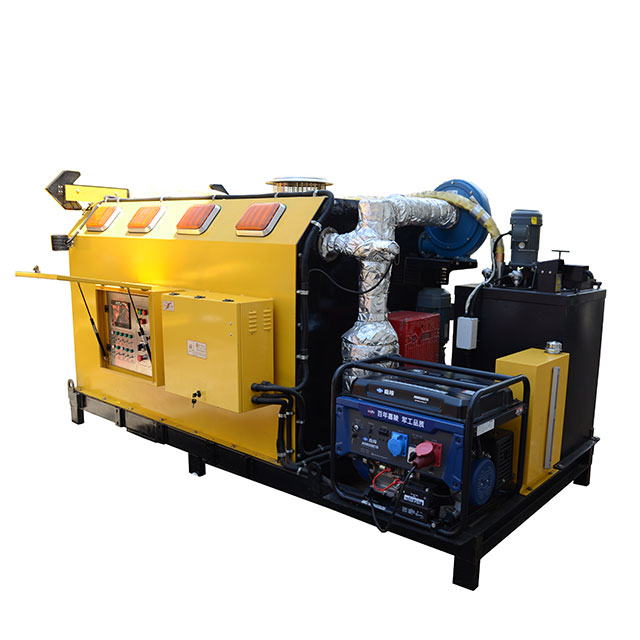
A mobile asphalt recycler should be sized and scheduled around accepted output under the conditions the crew will actually face. Moisture can make two batches of equal mass behave differently, so keep feedstock identity and process timing in the same record. Use that record to separate material variation from equipment or handling delays. Fanuode is a road maintenance equipment company offering mobile asphalt mixing equipment for repair work. For equipment selection, ask for the supported feedstock conditions and the measurement basis for cycle time, then compare those answers with the crew's planned patching schedule.
Use the limit or feed criteria specified for the actual equipment and the applicable repair process. Equipment design, approved feedstock, and acceptance requirements can vary. Where those documents do not address a material condition, ask the responsible equipment and project contacts before planning to use it.
Keep them separate until their material and acceptance status are known. Combining them can hide changes in source, gradation, moisture, or contamination. If blending is permitted, document the sources and the procedure used so the finished batch remains traceable.
A longer cycle can flag a difference worth checking. Cold starting material, a larger batch, delays during loading or sampling, and changes in equipment condition can also extend the time. Compare the process record and check the material before assigning a cause.
The exposed surface can look different from the material the loader takes from deeper in the pile. Use a representative sample when a measurement is required, and identify the part of the pile that will actually feed the machine.
Keep the feedstock identity, observed condition, any required test result, batch mass, starting condition, process time, and acceptance outcome. This makes it possible to compare later shifts with the same material and see whether the production plan needs more time.


