


Views: 0 Author: Site Editor Publish Time: 2026-11-18 Origin: Site


A pothole crew needs more than a total tonnage figure. It needs enough hot mix for the scheduled stops, a vehicle that can carry the load, and a supply plan that still works when a patch turns out deeper than expected. This asphalt repair calculator gives a worksheet method for estimating material from measured area, compacted depth, and mix density. Use the same method for a single pothole, a group of repairs, or an overlay. Then convert the estimate into an asphalt hot box load plan that fits the route rather than filling the box by habit.
Measure the planned repair footprint and the thickness of the asphalt that will remain in place after compaction. For a pothole, use the area that will actually be filled after loose material has been removed or the repair limits have been established. A visible opening before preparation may underestimate the area the crew ultimately needs to fill. Record an initial estimate for planning and update it when the prepared dimensions are known.
For a rectangular patch with reasonably uniform depth, use length multiplied by width. For an irregular patch, divide the area into simple shapes or use measured areas from the job record. Where depth varies substantially, assign separate areas to shallow and deep sections. A single deep measurement multiplied by the entire footprint can overstate demand. A single measurement at the edge can miss the material required in the middle.
On a narrow patch with a changing cross-section, take dimensions at the points where the geometry changes enough to matter. Give each segment a length, area or width, and depth. For a rectangular overlay with a defined compacted thickness, use the paved area and the specified thickness of that lift. If several lifts or mix types are planned, estimate each separately. For patching before an overlay, keep the prepatch quantities and overlay quantities in distinct rows to avoid double counting.
| Repair type | Measurement to record | What to check before calculating |
|---|---|---|
| Single pothole | Prepared area and compacted asphalt depth | Update the dimensions if the prepared repair gets larger |
| Irregular patch | Area and depth of each measurable section | Group sections of similar depth and add their volumes |
| Overlay | Paved area and specified compacted thickness | Enter separate lifts or mixes as separate rows |
| Multi-stop route | One line per repair, with stop and mix identified | Track which repairs share one loading and delivery window |
For a metric worksheet, enter area in square meters, depth in millimeters, and compacted mix density in kilograms per cubic meter. Divide depth by 1,000 before calculating volume. Multiply volume by density to obtain kilograms. Divide kilograms by 1,000 if the loading ticket or route plan uses metric tonnes.
For a U.S. customary worksheet, enter area in square feet, depth in inches, and density in pounds per cubic foot. Divide depth by 12, multiply by area and density, and divide the resulting pounds by 2,000 for U.S. short tons. If a ticket says “tons,” check which unit it uses. A metric tonne and a U.S. short ton represent different masses, and using the wrong one can affect both ordering and load planning.
| Worksheet field | Metric calculation | U.S. customary calculation |
|---|---|---|
| Depth in working units | Depth in mm ÷ 1,000 | Depth in inches ÷ 12 |
| Compacted volume | Area in m² × depth in m | Area in ft² × depth in ft |
| Estimated mass | Volume in m³ × compacted density in kg/m³ | Volume in ft³ × compacted density in lb/ft³ |
| Order or dispatch unit | Kilograms ÷ 1,000 for metric tonnes | Pounds ÷ 2,000 for U.S. short tons |
| Planned quantity | Estimated mass + documented allowance | Estimated mass + documented allowance |
Use a density appropriate to the mixture and the estimating method accepted for the work. A project mix design, approved estimate input, or supplier-provided value can supply that basis. A generic density is useful for illustrating a calculation. If it is used for a provisional estimate, label the input and replace it when the actual value is available.
Keep the allowance visible. Some routes may justify an additional quantity for irregular edges or expected variation in prepared dimensions. Record the reason and the quantity as a separate line. This lets the crew compare estimated mass, actual use, and remaining material at the end of the day. A blanket allowance without records can hide a recurring measurement problem.
Assume the same hot mix is accepted for three repair stops and an illustrative compacted density of 2,350 kg/m³ is used. Two potholes are measured as separate areas. A longer patch is measured as a rectangle and entered as its total area. Keep depth and density visible alongside each estimate.
| Stop | Prepared repair area | Compacted depth | Estimated volume | Estimated mix |
|---|---|---|---|---|
| Pothole A | 0.80 m² | 60 mm | 0.048 m³ | 112.8 kg |
| Pothole B | 1.40 m² | 80 mm | 0.112 m³ | 263.2 kg |
| Rectangular patch C | 4.00 m² | 50 mm | 0.200 m³ | 470.0 kg |
| Total before allowance | 0.360 m³ | 846.0 kg |
For example, stop B uses 1.40 × 0.080 = 0.112 cubic meters. At 2,350 kilograms per cubic meter, the estimated mass is 263.2 kilograms. If the supervisor documents a 40-kilogram allowance for this route, the planned supply becomes 886 kilograms. The allowance is an example, and a separate field lets the user replace it with a route-specific figure.
For a short overlay example, 120 square meters at a compacted depth of 35 millimeters gives 4.20 cubic meters. Using the same illustrative density gives 9,870 kilograms, or 9.87 metric tonnes, before any allowance. The example shows why the calculation scales while the supply plan changes. A larger quantity may require different delivery and placement logistics.
Make the worksheet usable for a second person. Include blank input fields for the stop ID, mix, area, depth, density, and any allowance. Add calculated columns for volume and mass, and label the output unit explicitly. If the estimate must be revised after preparation, keep the original and revised quantities in the route record rather than overwriting the reason for the change.
Start with the lesser of what the holding unit can carry in the intended configuration and what the vehicle is permitted to carry on the planned route. The available vehicle payload must account for the installed equipment, people, fuel, tools, and other loads as applicable. Check the actual vehicle and installation limits, including any relevant axle limits, before assigning the material load. An advertised container volume alone does not establish allowable material weight.
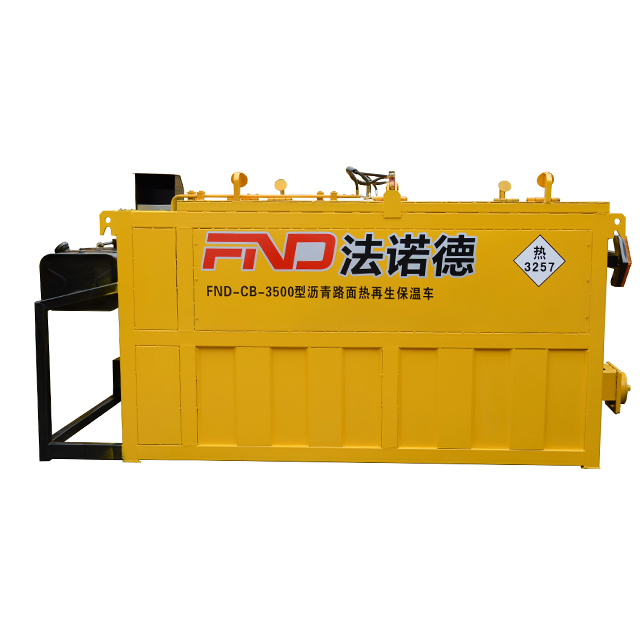
Keep the estimate and dispatch record in separate columns. If the crew receives material by weight, enter the ticket weight and compare it with the planned load before departure. If the amount is tracked by another approved method, record the method and its units. A traceable loading record helps the supervisor distinguish a quantity error from an unexpected repair or a change to the route.
Next, compare the calculated quantity with the sequence of repairs. Put the largest planned withdrawals and the stops with uncertain dimensions on the route sheet. Where a single load is unsuitable, assign each stop to a loading window or split the route into two loads. Also account for the material's required handling conditions and the time from loading to the last planned placement.
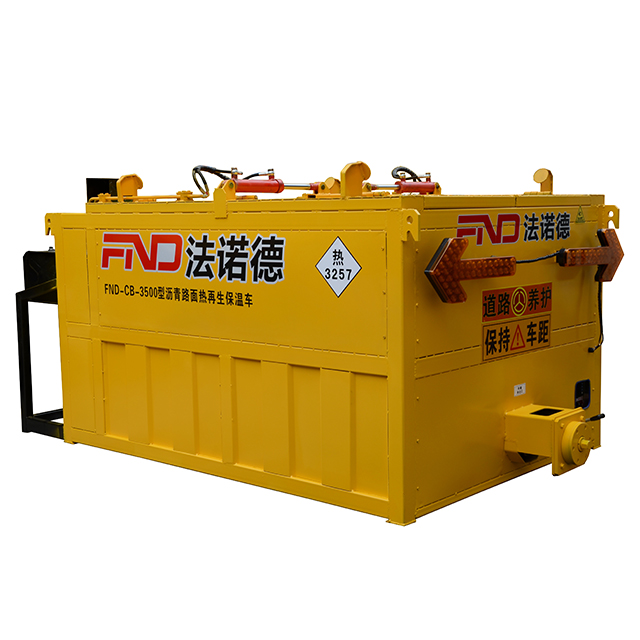
A truck-mounted asphalt hot box fits localized work when the crew needs to hold prepared mix across several stops. Record loaded mass from the ticket or approved measurement, then compare it with the route estimate. At the end of the shift, reconcile the amounts loaded, used, and returned where records are available. This gives the next planner evidence for adjusting measured depths or allowances.
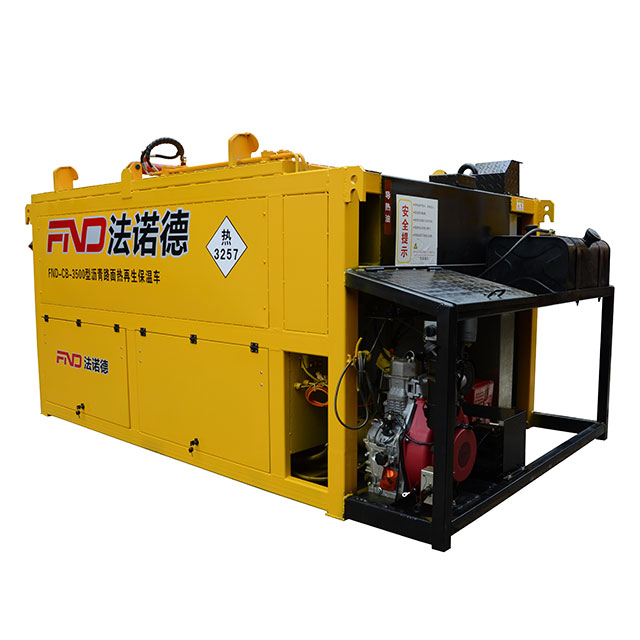
For example, suppose a supervisor confirms a usable material limit of 700 kilograms for the planned truck and installation. The illustrative 886-kilogram route cannot be assigned to that truck as one load. The crew can group stops A and B on one loading window and patch C on another, then assign the allowance where measurements are most uncertain. Recheck each planned load after any change to stop dimensions. The 700-kilogram figure illustrates the dispatch decision and does not describe a particular truck or hot box.
If the route must make its own patch mix, review mobile asphalt mixing equipment separately and translate the demand into usable batches rather than assuming the holding capacity is also the production capacity.
Use the asphalt repair calculator to estimate compacted mix demand one repair or lift at a time. Preserve the measurement basis, density, and any allowance so the crew can explain changes when a patch is prepared. The estimated tonnage becomes a useful dispatch figure only after it is checked against usable equipment capacity, vehicle payload, and the route's loading windows. Fanuode is a road maintenance equipment company offering a vehicle-mounted asphalt hot box. For a multi-stop shift, the most useful equipment comparison starts with the load the route can use before its next practical refill.
Estimate the mix weight and check the installed unit and vehicle limits. The container volume may describe space available, while the load decision depends on the material mass and the rated configuration. Include the other items carried by the vehicle when determining the available payload.
A first measurement can support scheduling and an initial order. Update it once the prepared limits and fill depth are known, especially when removal reveals a larger or deeper repair. Keep the revised numbers attached to the stop.
Calculate individual volumes if the repairs differ substantially. If you need a single depth to describe a grouped area, use an area-weighted depth. A simple average gives a small deep pothole the same influence as a large shallow patch.
Enter one line for each layer with its own area, compacted depth, and density. Add the results for overall tonnage, and keep the separate layer totals when the mixtures or loading windows differ.
Record the remaining amount where the agency's process permits measurement. Compare it with the original allowance and any repairs added or removed during the shift. Use those records to refine the next estimate for similar work.


