


Views: 0 Author: Site Editor Publish Time: 2026-11-16 Origin: Site


The right equipment depends on what the patching crew has available before the first repair. If approved hot mix is ready at a plant or depot, a truck-mounted asphalt hot box can keep the material workable while the crew moves between stops. If the crew needs to process suitable reclaimed pavement into patching mix, a mobile recycler adds a mixing and production step. Some routes benefit from both functions. Start by mapping the material flow from source to repair, then compare what each machine contributes at the point where that workflow is most likely to stall.
A truck-mounted asphalt hot box serves mainly as a mobile holding and delivery unit. A crew can load prepared hot mix and draw it down over a route instead of making a separate supply trip for every patch. A heat source and insulation help maintain the material within the applicable working range. Some units also reheat compatible cold material. Reheating capability, acceptable material types, and holding time vary by configuration and should be confirmed for the mix the crew intends to use.
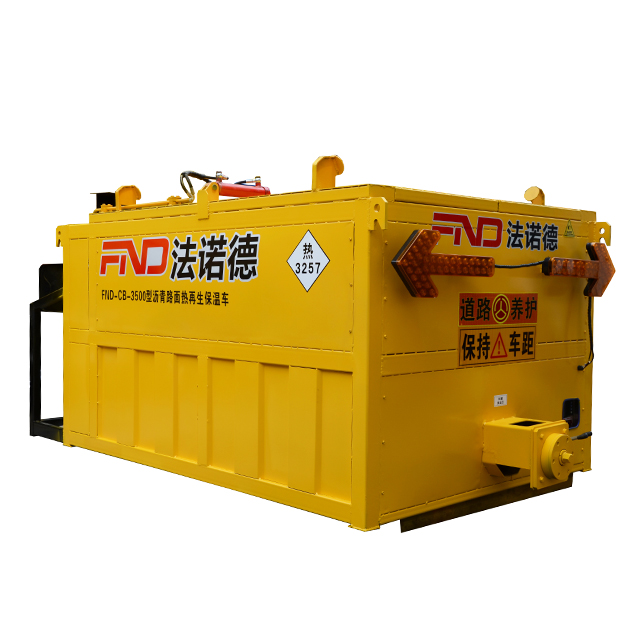
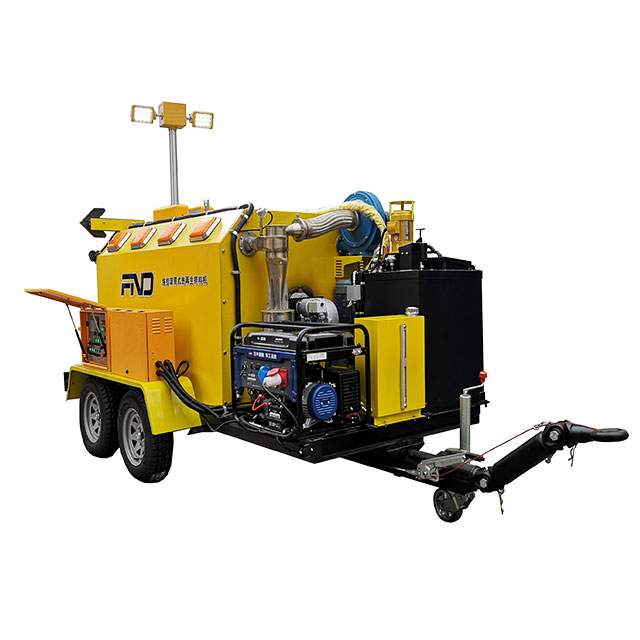
A hot recycling asphalt mixer performs a different job when it uses a rotating drum to heat and mix suitable reclaimed asphalt. The material enters as feedstock and leaves as a batch intended for placement if it meets the project's requirements. Depending on the approved process and machine configuration, the crew may also need to handle additional materials or a binder. Mixing the ingredients is part of producing a patch material. The operator still needs to verify that the resulting mix is acceptable for the job.
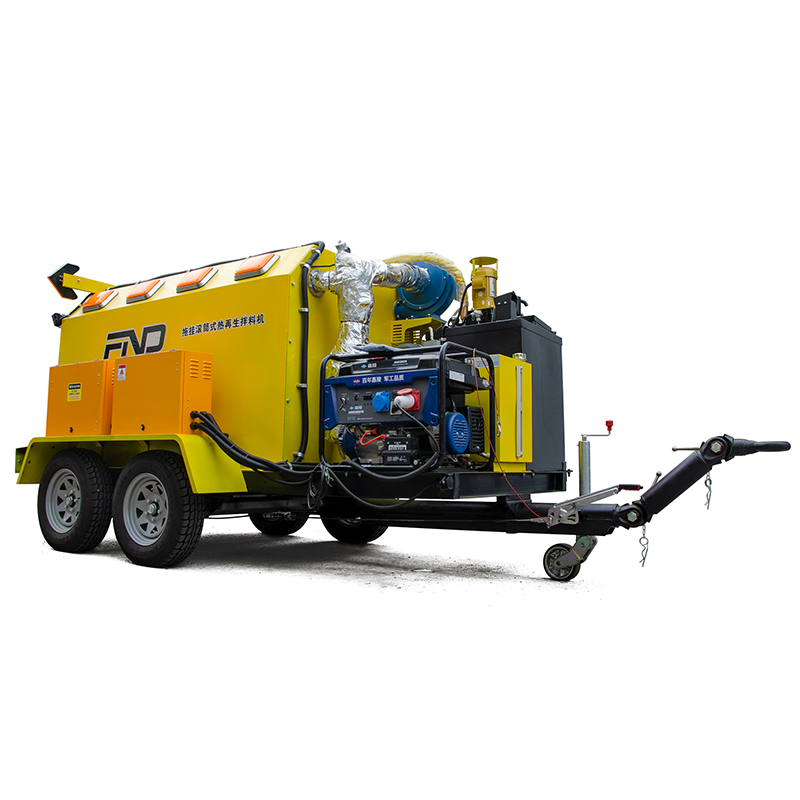
Marketing terms can overlap. A machine sold as a hot box may have a reheating or limited reclaiming function. Another machine may be described as a patcher because it dispenses material at the repair site. Ask what physical process the unit performs on each approved material. Holding ready-to-place mix, reheating previously prepared mix, and processing reclaimed asphalt are three separate questions. A written answer for each makes the comparison easier to verify.
A crew comparing capabilities should also distinguish the equipment from the patch method. How the pavement is prepared, how the mix is placed and compacted, and when it is accepted remain subject to the repair specification. Selecting a machine that can supply mix is one part of meeting those requirements.
Look at the route as a sequence of loading, transporting or producing, placing, and moving to the next location. On scattered repairs, the travel time and the delay between withdrawals may matter as much as the time spent actually filling holes. On a concentrated set of repairs, the limiting factor may be how quickly the crew receives the next usable batch.
| Planning question | Asphalt hot box | Mobile asphalt recycler |
|---|---|---|
| What normally goes in? | Approved prepared mix for holding or, where supported, reheating | Suitable reclaimed asphalt or other feedstock the unit and job accept |
| What is the main job? | Preserve and deliver mix over the route | Heat and mix material into usable batches |
| How is output planned? | Usable load, withdrawals, travel time, and refill access | Usable batch mass, cycle time, material handling, and discharge |
| What can interrupt supply? | Delayed refill, long haul, or extended holding | Variable feedstock, a slower batch, or a delayed material check |
| What does the crew need to verify? | Material condition at loading and placement | Feedstock condition and acceptance of the finished mix |
The two capacities should be compared in different units. For a holding unit, estimate how much mix can be carried on the intended vehicle, how much will be used between refills, and how long it must stay within the working window. For a recycler, estimate usable kilograms or pounds per batch and the time between accepted batches. A large drum may still leave the repair crew waiting when the next batch cannot be prepared while the previous batch is being used.
Pay attention to start-up and transfer time. A plant-supplied crew may lose time before departure if the pickup window does not match its route. A recycling crew may lose time before the first acceptable batch. Even after a batch is ready, a separate transfer to a holding unit may be needed before the placement crew can move. Compare those delays explicitly when the choice is driven by short road occupancy windows.
Prepared hot mix is reliably available before the shift. A crew working several small stops from a convenient depot may gain more from a holding and dispensing unit. Map the stops, expected use, and timing of the last withdrawal. The key check is whether the truck can load a suitable quantity and hold it within the material's specified working conditions for the route.
The repair crew needs to process reclaimed material near the work. A recycler fits where approved feedstock is available and project requirements allow the resulting mixture. Include time for feedstock preparation, initial warm-up, and checks on the finished batch. Find out how the crew will maintain a predictable supply when a stockpile or material source changes. If the crew has no reliable way to verify the mix, address that gap before committing to a production plan.
The batch point and the repair points are separate. A recycler may make mix at a staging point while an asphalt hot box carries accepted material to multiple repairs. Assign responsibilities for loading, checking the mix, and tracking which batch went to each location. The two machines then solve distinct parts of the same supply problem. The arrangement also adds a transfer, so plan for the time and handling it requires.
One way to test the decision is to sketch two operating days. On the first, the planned supply and route hold. On the second, add a delayed plant opening, a longer route, or a rejected batch that fits the agency's actual experience. Ask where the crew waits, who can remedy it, and what alternate material is allowed. This often reveals a more useful distinction than comparing maximum advertised capacities.
Bring a short route profile to the equipment comparison. Include normal and peak mix demand, the longest practical interval between supply stops, the vehicle available to carry or tow the equipment, and the range of material conditions the crew is expected to encounter. Identify who checks the mixture and what happens to a batch or load that falls outside the project requirements.
For a holding unit, ask about the verified usable payload for the proposed truck and installation, the supported loading and discharge methods, and the documented limits for holding or reheating the intended mix. Capacity should include the real vehicle constraints. The volume of a container does not establish how much the assembled vehicle can carry with people, equipment, and fuel aboard.
For mobile asphalt mixing equipment, ask for the usable batch mass and the conditions behind any quoted cycle time. Initial feedstock temperature, material condition, and preparation can influence the schedule. Request a description of the material the machine can accept, the checks needed for discharge, and the handling arrangement for getting the mix to the patch crew.
Include disposal and carryover in the comparison. For a holding route, determine what the agency allows the crew to do with material left at the end of the shift. For a recycling route, distinguish unused feedstock from a finished batch that was prepared but could not be placed. Those two leftovers have different handling and acceptance questions. A capacity decision based only on peak output can overlook the cost and delay of material that the next crew cannot use.
When the existing fleet already has a suitable holding unit, measure the delay that remains before adding a recycler. Conversely, where a recycler routinely makes acceptable mix but the placement crew waits during transfer, evaluate transport and discharge before considering a larger drum. Comparing the cause of delay with the proposed equipment function helps keep the purchasing decision tied to an observable problem.
Write down the acceptance checks for a trial using a representative route or feedstock. For a holding unit, this might mean tracking material condition at loading and at selected withdrawals. For a recycler, it might mean tracking the time and usable output of successive batches and recording the approved mix checks. A trial with the intended crew and material is more informative than an equipment demonstration built around different conditions.
An asphalt hot box is a practical fit when the crew's main job is keeping approved mix available as it moves between repairs. A recycler fits when the supply plan calls for producing batches from suitable material near the work. If production and placement happen at separate points, compare the performance of both functions together, including the transfer. Fanuode, a road maintenance equipment company, offers equipment for both roles. Start the comparison with the material source and the crew's required supply rhythm, then verify the specific machine against the planned vehicle and working conditions.
Some configurations support reheating compatible prepared material. Verify the equipment instructions and the project's requirements for the particular mix before including leftovers in a work plan. The holding function alone does not establish a reheating capability or the suitability of the remaining material.
It depends on the distance between the production point and placement and how the equipment discharges. A crew working close to the recycler may be able to place the batch directly under its approved process. A crew serving a moving route may need a separate holding and transport arrangement.
Start with usable load or batch mass, then compare loading, discharge, and vehicle requirements. For a recycler, add the conditions used to determine cycle time. For a holding unit, check the supported duration and material conditions for the actual route.
They may serve different repair points where the project permits each material. Keep the material identification and acceptance records clear for each stop. Decide in advance how the crew will stage, transport, and track the separate materials.
Look at what happens between uses. Check material availability, warm-up requirements, setup time, and the tasks required to prepare the machine for its next shift. A unit sized for peak output may have a different operating fit on short, infrequent routes.


