


Views: 0 Author: Site Editor Publish Time: 2026-01-30 Origin: Site


In the world of landscaping and vegetation maintenance, choosing the right equipment is crucial to improving productivity and ensuring safety. From manual hand tools to tractor-mounted and vehicle-mounted systems, there are several options available for trimming vegetation. However, for large-scale projects involving roadsides, highways, and expansive green spaces, understanding how these systems differ can significantly impact the efficiency and success of your operations. Vehicle-mounted hedge trimmers, in particular, offer key advantages over traditional trimming solutions, making them a vital tool for any landscaping or municipal maintenance team.
When considering the best equipment for vegetation trimming, one of the first factors to compare is the power source. Manual hedge trimmers require significant physical effort to operate. These tools are typically designed for small, residential areas and demand continuous manual input, which can be tiring and inefficient for large-scale tasks. The vehicle-mounted hedge trimmer, on the other hand, utilizes hydraulic power. This advanced technology allows for greater power and efficiency when cutting through thicker branches and dense vegetation. Hydraulics provide a smooth and consistent power output, making it ideal for large-scale projects like highway median maintenance or roadside vegetation trimming.
In terms of operational efficiency, hydraulic power systems used in vehicle-mounted hedge trimmers outperform manual tools, which are limited by human endurance and speed. The precision and force of hydraulic power allow these trimmers to operate continuously, cutting down on the amount of time and labor needed to complete tasks.
Manual hedge trimmers are typically slow, especially when trimming large or overgrown areas. Their operational scale is limited by the operator’s reach and stamina, making them unsuitable for large-scale trimming jobs. This means that for anything beyond a small garden or home project, manual trimmers can quickly become inefficient.
In contrast, vehicle-mounted hedge trimmers are designed for large-scale projects where speed and reach are essential. With their boom arms and hydraulic systems, these machines can trim tall hedges, shrubs, and trees along highways, green belts, and parks with minimal effort. They allow operators to cover large areas quickly, reducing the time spent on trimming tasks. The ability to reach over barriers such as fences or guardrails also enhances their versatility and efficiency.
Another significant advantage of vehicle-mounted hedge trimmers is their ability to reduce labor requirements. Using manual tools, workers must be in close proximity to the trimming area, which often involves working in hazardous conditions, especially on busy roads or highways. This increases the risk of accidents and injuries.
Vehicle-mounted hedge trimmers eliminate much of this risk by allowing operators to remain safely inside the vehicle while controlling the trimmer remotely. This not only improves safety but also reduces the number of workers needed on-site. As a result, operations can be carried out more efficiently with fewer workers, leading to cost savings for companies or municipalities.
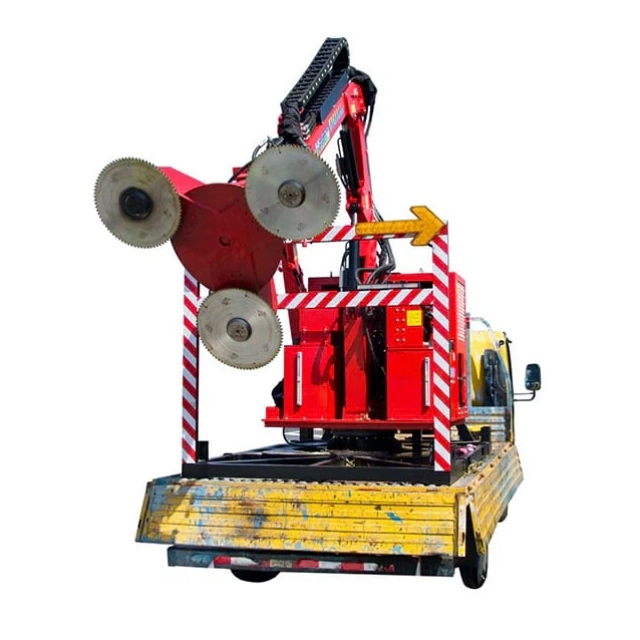

One of the key advantages of vehicle-mounted hedge trimmers over tractor-mounted systems is mobility. While tractor-mounted systems are typically confined to larger, open spaces and require the machine to be repositioned frequently, vehicle-mounted hedge trimmers offer greater flexibility. Mounted on a truck chassis, these trimmers can be quickly transported to different work sites, whether it's a highway, municipal park, or private estate. Their mobility allows them to be used in a variety of environments, including urban areas where access may be limited.
Additionally, vehicle-mounted hedge trimmers offer greater reach compared to tractor-mounted trimmers. The boom arm can extend to trim hard-to-reach areas such as tall hedges or over barriers like guardrails, whereas tractor-mounted systems may struggle with these tasks. The versatility and reach of vehicle-mounted systems make them ideal for tasks like trimming roadside vegetation along busy highways.
When comparing vehicle-mounted hedge trimmers with tractor-mounted systems, hydraulic power provides a more consistent and reliable output for trimming. Tractors are often limited in their ability to generate the high, continuous power needed for thick or overgrown vegetation. On the other hand, vehicle-mounted hedge trimmers use hydraulic systems that deliver smooth and efficient cutting force, reducing the chances of stalling or requiring constant maintenance.
Moreover, the stability of the vehicle-mounted hedge trimmer is superior to that of tractor-mounted systems. Since these trimmers are attached to a vehicle chassis, they can be stabilized in various environments, even in challenging weather or terrain. The smooth and stable operation ensures precision and safety during use, particularly when working near high-traffic areas or difficult-to-reach spots.
Vehicle-mounted hedge trimmers are designed for large-scale projects, such as highway median maintenance and municipal landscaping. Their ability to cut tall and dense vegetation with precision makes them ideal for high-volume tasks that would be time-consuming and dangerous with manual tools or tractor-mounted systems. Whether it’s trimming hedges along an extensive highway or maintaining a large urban park, vehicle-mounted systems offer significant time savings and labor reduction.
In contrast, tractor-mounted hedge trimmers are typically more suited to mid-sized areas where the vegetation is less dense. While they offer increased power compared to manual tools, they lack the flexibility and speed of vehicle-mounted systems, especially when it comes to accessing smaller or more confined spaces.
�� Table 1 – Vehicle-Mounted vs Tractor-Mounted vs Handheld
Feature | Handheld | Tractor-Mounted | Vehicle-Mounted |
Typical Use | Small gardens | Mid-scale areas | Large roadside projects |
Speed | Low | Medium | High |
Reach | Limited | Extended | Extended & mobile |
Labor | High | Medium | Low |
While flail mowers and brush cutters are often used for vegetation management, they differ from vehicle-mounted hedge trimmers in their intended purposes. Flail mowers are designed primarily for clearing rough vegetation, such as tall grass or small saplings, and can handle large areas with thick vegetation. They typically produce a more coarse cut compared to the clean, precise cuts delivered by vehicle-mounted hedge trimmers.
On the other hand, vehicle-mounted hedge trimmers are optimized for precision trimming, which is crucial when maintaining roadside greenery, highway median hedges, or landscaping projects. The cutting head and adjustable settings allow for a controlled, even cut, providing a more polished and professional appearance. For tasks requiring neat, refined edges (such as park or estate maintenance), the vehicle-mounted hedge trimmer is far superior.
When considering vehicle-mounted hedge trimmers, businesses should weigh the upfront cost of the equipment. These machines are typically more expensive than manual tools or tractor-mounted systems, but the return on investment (ROI) can be significant. For large-scale projects, the vehicle-mounted hedge trimmer offers increased efficiency, safety, and productivity, which can offset the initial cost over time.
One of the greatest financial benefits of vehicle-mounted hedge trimmers is the labor savings they provide. By reducing the number of workers needed to perform tasks and increasing trimming speed, businesses can reduce operational costs. These savings increase over time, as fewer workers are needed for each project, and the machine can handle more work in less time.
Vehicle-mounted hedge trimmers are powered by hydraulic systems, which can be more fuel-efficient than gasoline-powered tools. Additionally, the maintenance required for these machines is generally lower than that of tractor-mounted systems, which may require frequent servicing due to their larger size and complexity.
When deciding which trimming solution is best for your project, several factors should be considered:
Project Scale: For large projects, vehicle-mounted hedge trimmers are the most efficient and safest option.
Vegetation Type: For dense, overgrown vegetation, vehicle-mounted trimmers provide the required power and precision.
Budget and Operator Experience: While vehicle-mounted hedge trimmers come with a higher upfront cost, their long-term benefits make them a wise investment for businesses looking to streamline operations.
In conclusion, high-quality vehicle-mounted hedge trimmers are far superior to traditional methods like manual or tractor-mounted systems when it comes to efficiency, precision, and safety for large-scale trimming projects. Understanding the key differences between these systems helps customers select the best solution for their specific vegetation management needs, whether they are maintaining highways, urban parks, or large estates. If you're ready to take your trimming operations to the next level, visit our product page at FND Vehicle-Mounted Hedge Trimmer or contact us today!
What is a vehicle-mounted hedge trimmer used for?
A vehicle-mounted hedge trimmer is used to trim vegetation along highways, roadsides, and public parks, offering high efficiency and safety for large-scale trimming projects.
How does a vehicle-mounted hedge trimmer differ from a tractor-mounted one?
Vehicle-mounted hedge trimmers offer better mobility, reach, and safety, making them ideal for roadside maintenance and large projects.
Can a vehicle-mounted hedge trimmer handle large projects?
Yes, it is designed for large-scale projects and offers increased speed and efficiency, reducing the number of workers needed and saving on labor costs.
Why is hydraulic power preferred over gasoline engines in vehicle-mounted hedge trimmers?
Hydraulic power provides consistent, reliable performance, allowing the machine to handle thicker vegetation with ease, while gasoline engines may struggle with prolonged use or thicker branches.


